- Barrington Environmental Establishment Newsletter
- Posts
- BEE Newsletter - April 5, 2026
BEE Newsletter - April 5, 2026
We're now a 501 (c)(3) - thank you so much for all the support!!

Barrington Environmental
April 05, 2026
Recent Events
Waste Dumping in Britain
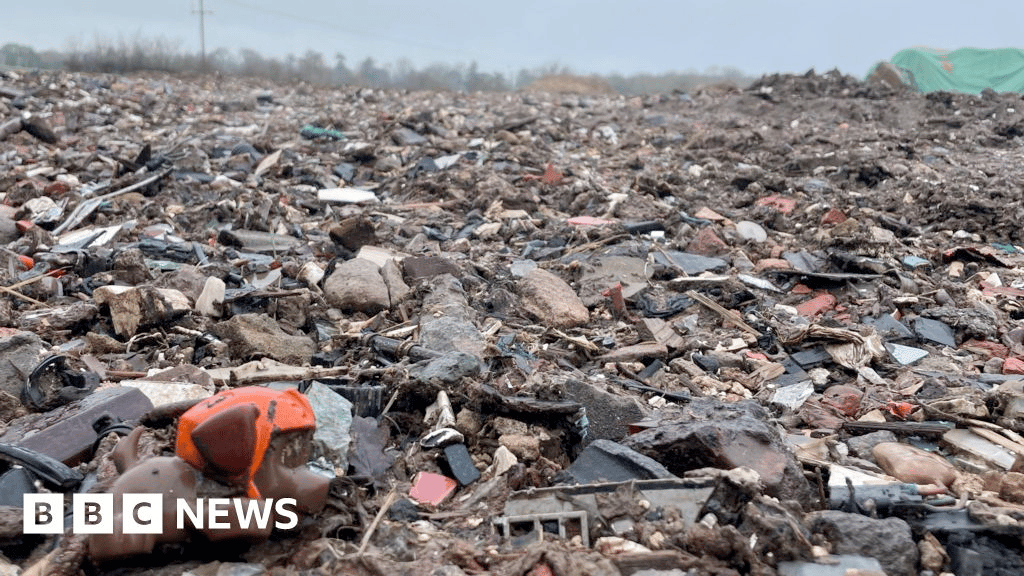
A growing problem with illegal waste dumping is starting to get more attention across England, as huge piles of rubbish continue to build up near homes and communities. In places like Bickershaw, thousands of tonnes of waste have been left sitting for months, bringing rats, strong smells, and serious health concerns for the people living nearby. Some residents say it has changed their daily lives, with children unable to play outside and even schools forced to close after fires broke out.
Part of the issue comes down to money and policy. In some cases, the agency responsible for cleaning up these sites has been required to pay landfill tax on the very waste it is trying to remove, which has made action slower and more complicated. At the same time, illegal dumping has become a profitable business for criminal groups, who avoid fees and leave behind massive cleanup costs for taxpayers.
Now, the government says it is stepping in with funding and a broader plan to crack down on waste crime. This includes clearing tens of thousands of tonnes of rubbish from some of the worst sites, increasing enforcement, and using new tools like drones to track illegal activity. While many communities are relieved to see action finally happening, there is still frustration over how long it took to respond and why the problem was allowed to grow so large in the first place.
The bigger picture is that this is not just about a few isolated dumps. It highlights a wider issue with how waste is managed, how crime is handled, and who ends up paying the price. For many residents, the hope is that these new steps will not only clean up existing sites but also prevent the same situation from happening again.

Combined Effects of Pollution
A new study is raising fresh questions about how everyday technology might interact with pollution in ways people have not fully considered. Researchers found that when mice were exposed to both air pollution particles and the magnetic fields from devices like Bluetooth earbuds and cell phones, the effects were stronger than either exposure on its own. The particles built up in the brain at much higher levels and were linked to signs of memory and learning problems.
What stands out is not just the result, but the combination. In real life, people are rarely exposed to just one thing at a time. This study suggests that common factors like wireless devices and polluted air could work together in ways that increase health risks, especially since these devices are often used close to the head for long periods. Researchers also saw changes in brain activity linked to neurodegeneration, which adds to growing concern about long term effects.
The findings do not prove the same outcomes will happen in humans, but they highlight a gap in current safety standards. Most wireless technologies are not required to go through detailed premarket health testing, even as their use becomes nearly constant in daily life. For now, the study is likely to push more research and raise awareness, especially around how different environmental exposures might combine rather than act alone.
The El Nino Shift
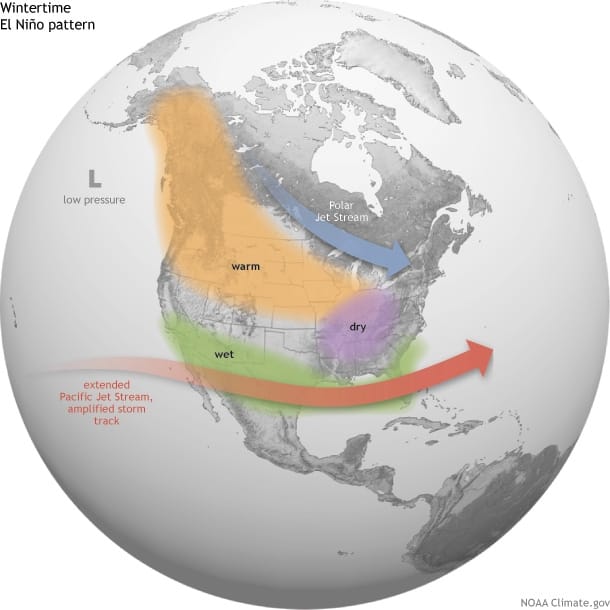
A major weather shift may be taking shape around the world. Scientists say La Niña is starting to fade, and attention is now turning to the possibility of El Niño developing later in 2026. Some forecasters think it could become a very strong event, which is why so many experts are watching it closely right now. In June-August 2026, El Niño is likely to emerge at a 62% chance and persist at least until the end of 2026.
That matters because El Niño can affect weather far beyond the Pacific. It often brings hotter global temperatures and throws normal seasonal patterns off balance. In some places, that can mean more heat and drought. In other words, it can bring heavier rain, flooding, and a higher risk of wildfire. It can also change hurricane activity in the Atlantic. Even if the overall number of storms drops, it only takes one major storm to leave behind serious damage.
Additionally, flooding from El Niño is associated with increases in certain diseases, such as cholera, dengue, and malaria. The number of instances of hurricanes in the Atlantic is reduced, as South America gets heavier rain. Drought in Indonesia and Australia threatens agriculture. Nutrient upwelling is hindered by these conditions off the coast of South America as well, which impacts local ecosystems. Typically, upwelling brings nutrient-rich cold water up along this coast. In the absence of this upwelling, local food chains are negatively impacted. Increased coastal flooding and erosion in this area also occur due to increased precipitation.
What makes this more important is the bigger climate picture. The planet is already running hotter, so a strong El Niño could add even more heat on top of that. That means the next couple of years could bring sharper weather swings and more costly disasters in many parts of the world.
Tips: Sustainable Kitchen Tips

Here are some tips that can help you be more sustainable and environmentally friendly in the kitchen!
Water Reusage
Many people have the habit of drawing new water whenever they are cooking different items in the kitchen. An easy way to improve efficiency regarding water usage is to reuse the water for different foods. This can be done in two ways: boiling different foods together or in a sequential manner. After you are done cooking, the water does not need to be wasted, either. Once cooled, the same water you used for cooking can be used to water plants, for example.
Invest in Quality Cookware
Too often, we might choose to prioritize convenience over quality when buying cookware. The downside to this, however, is that cheap cookware can often be prone to degrading quickly. By opting to invest in quality cookware, professional-grade stainless steel pans with aluminum or copper cores, your purchases will last longer and result in less waste in the long run.
Reduce Food Waste
People waste a staggering 25% of the food that they buy! I bet this statistic was one you didn’t expect. Besides the amount of money that obviously gets wasted as a result of not using food, there are simply many better alternatives than just throwing away your food. This includes composting your food scraps, reducing the amount of food packaging you use, and cooking creatively to use all of your food and eat up leftovers.
Use More Plant-Based Ingredients
Incorporating more plant-based options when cooking instead of traditional meat and dairy products can be a great way to reduce carbon and water footprints. Plant-based options often use a lot less water and land than livestock. Additionally, using less meat and dairy products can minimize high methane emissions and energy usage that are often associated with traditional meat and dairy products.
Sources
'Super El Niño' brewing as La Niña fades ahead of peak hurricane season | Fox Weather
5 Sustainable Practices for Your Kitchen | Nestlé Professional
https://foodprint.org/cooking-sustainably/
The Future of Sustainable Cooking: Eco-Friendly Kitchens - WORLDCHEFS
Supersized illegal waste dumps to be cleared under new action plan
Government to fund clear-up of illegal tips in north of England | UK News
Environment Agency faces landfill tax bill worth millions to clear illegal waste