- Barrington Environmental Establishment Newsletter
- Posts
- BEE Newsletter - Dec 5, 2025
BEE Newsletter - Dec 5, 2025
The beginnings of Christmas season...

Barrington Environmental
December 05, 2025
Recent Events
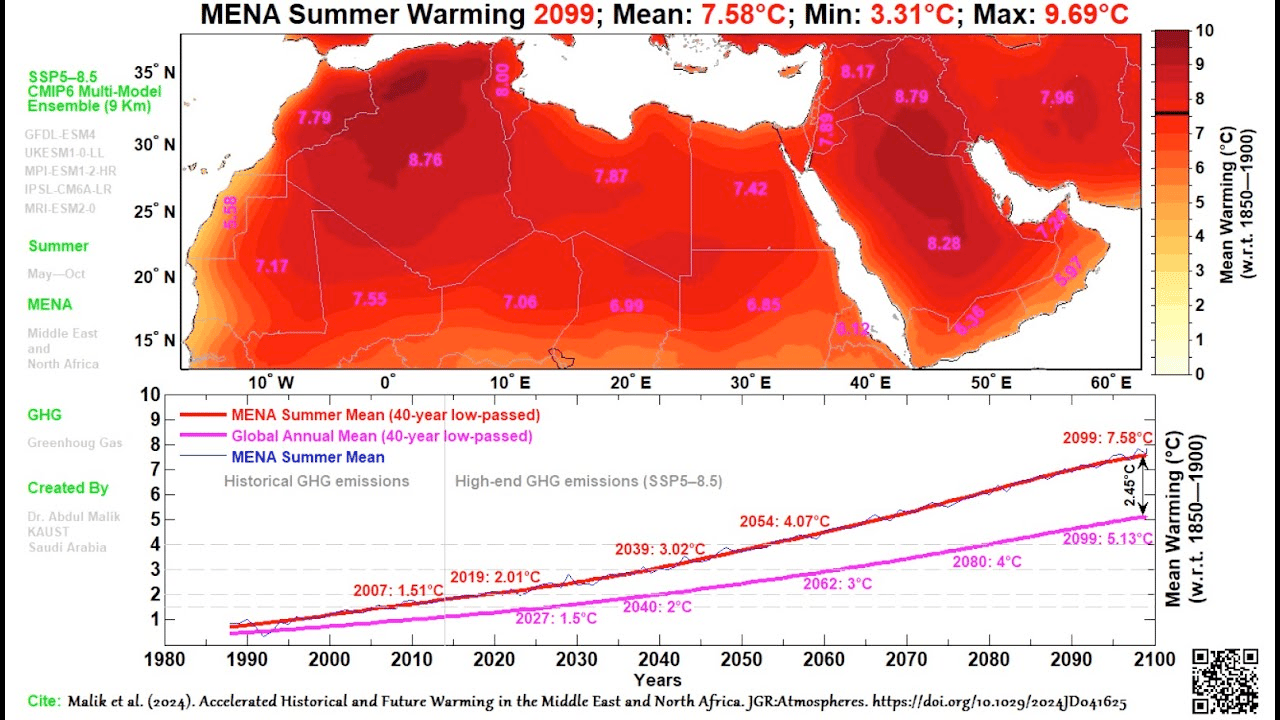
Temperatures in the Middle East and North Africa Are Rising Particularly Rapidly
In a recent report, the United Nations weather agency stated that 2024 was the hottest year on record for the Middle East and North Africa. Their average temperatures rose twice as fast as the global average over the past decades, with heatwaves intensifying. The most significant increase in temperature (the difference between 2024 and the 1991-2020 average) was recorded in Algeria: 1.64 °C. Extended periods of high temperatures in some of these countries have been established to be harmful to human health. Fifteen of the world’s most water-scarce countries are in the region, and droughts are intensifying. Over 3.8 million people have been affected. According to the report, investment in water security and extreme weather warning systems is urgently needed in this area.

New insights into climate change news audiences
Another recent report analyzed how the consumers of climate change-related news are changing over time in their consumption and reactions to such content. In its fourth edition, this report by Reuters and Oxford University drew on four years’ worth of data from Brazil, France, Germany, India, Japan, Pakistan, the United Kingdom, and the United States. Here are some key findings:
Climate news and information are being used less in France, Germany, Japan, the UK, and the USA. Its use is stable in Brazil, India, and Pakistan.
These declines reflect less use by a specific demographic: individuals over 45 years of age.
However, interest in climate news remains high and stable in most countries.
Around half say they trust climate news items as reliable sources of information.
Trust in climate scientists remains high — in fact, it has grown since 2022.
The full report contains interactive graphs and greater in-depth analysis; it is linked below under the sources.
The Barrington School Construction Project
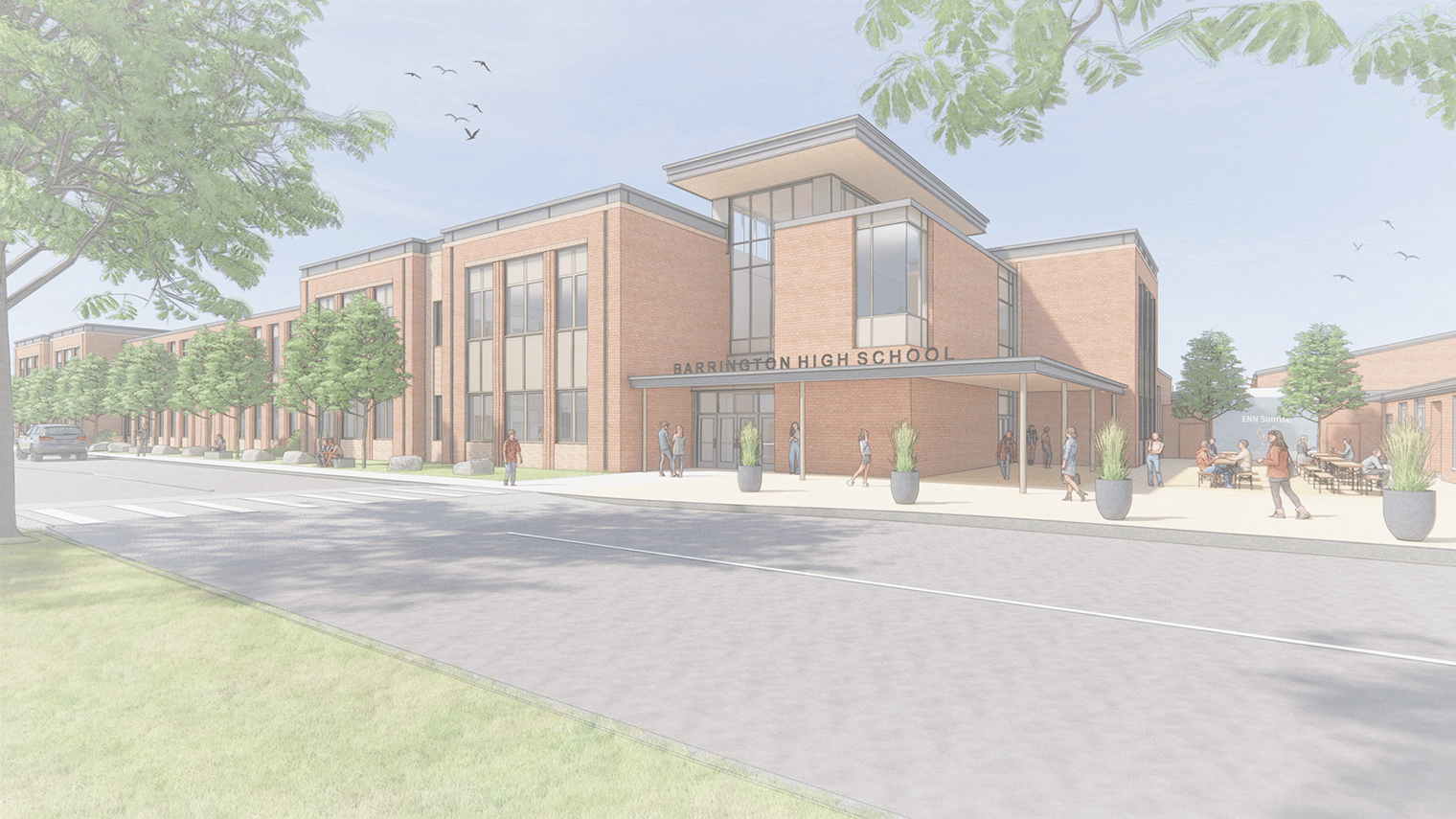
The Barrington public schools construction project begins in the spring of 2026 and is scheduled for completion in the fall of 2028. This includes the demolition of Hampton Meadows School, the enlargement of Nayatt, Sowams, and Primrose Hill School to fit Pre-K through 5th grade, and the construction of Barrington High School. Barrington voters approved a $250 million investment, but with the 20% state reimbursement and Rhode Island’s traditional 35% contribution, Barrington can save up to $137 million (approximately a 9% tax increase). This modern schools project ensures that our schools are safe, reducing the amount required for repairs and maintenance over the next 15 years to less than $128 million.
The project is also environmentally friendly! With updated heating, cooling, and clean air systems, the new schools will be healthier spaces for students and, at the same time, reduce energy use and costs by being 75% more energy-efficient. Additionally, the demolition of HMS makes dropping students off at school much easier, as the elementary schools are closer to many families. Dust from construction will also be managed using measures such as water cannons and trucks to prevent dust from leaving the site.
The Barrington Public Schools website claims the new facilities will be environmentally friendly because they all meet the Northeast Collaborative for High Performing Schools (NE-CHPS) standards. Some key features include the use of sustainable materials and a sustainable design, reduced waste and pollution, and the building will be solar-ready, allowing future solar panel installation.
Some concerns include disruptions to neighborhoods and where students will learn during the construction process. BPS states that noise mitigation efforts, such as dust control and vibration monitoring, will be implemented to minimize disruption. In order for students to continue learning, additions will be made first, allowing students to utilize those new classrooms while renovations for existing classrooms are made. All schools are scheduled to open at the same time. We hope that this project will be a step towards a greener future!
Tips: Reducing waste

As the human population grows, resources become scarcer. Not only can reducing waste help people use supplies efficiently, but it can also prevent the growing size of landfills. Thereby, the action will cut down microplastics and greenhouse gases in our environment.
Rely on second-hand clothes and thrift more: Wearing clothes for longer or recycling them reduces reliance on fast fashion. Toxic chemicals and microplastics from polyester leach into the ground as unused apparel ends up in landfills. These releases are estimated to triple by 2050.” In addition, fast fashion promotes a throwaway culture and encourages people to chase trends, leading to more wasted clothing.
Bring your own coffee cups to coffee shops (make sure to check first): Using your own metal, plastic, or ceramic cups at a coffee shop, if allowed, can reduce the use of both single-use plastic cups for cold beverages and paper cups for warm drinks. In addition, those reusable cups can be used for water and other beverages. Not only do these cups reduce waste, but they also insulate drinks.
Throw away less food: Around 931 million tonnes of food is wasted each year, approximately 60 million tonnes (around 40% of the entire US food supply). Not only does this increase greenhouse gas emissions, but it also increases food demand. With increased demand, more fertilizer is used, leading to runoff pollution.
Buy supplies in bulk. Buying supplies such as grain, hygienic products, and cleaning products reduces single-use container waste. Large product quantities encourage consumers to refill their own containers, an improvement over single-package refills that still contain plastic.